
(Updated UAE Position – General Reference)
1. What Is a Cheque Bounce?
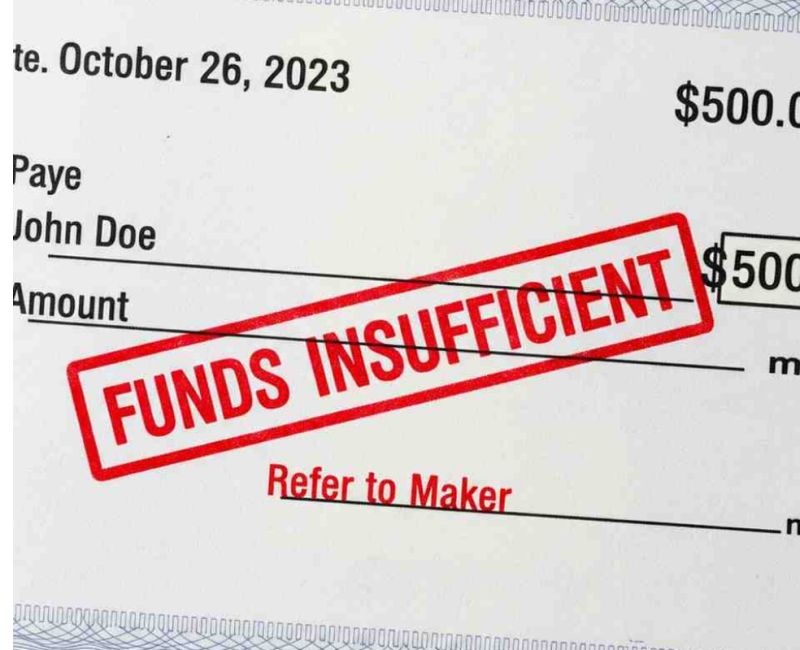
A cheque bounce occurs when a cheque presented to the bank is returned unpaid due to reasons such as:
- Insufficient funds
- Account closed
- Signature mismatch
- Stop payment instruction
- Altered or expired cheque
In the UAE, a bounced cheque is no longer treated purely as a criminal offence. The law now focuses primarily on financial recovery and execution.
2. Current Legal Position in the UAE
Under updated UAE laws, cheque bounce matters are handled mainly as:
- Civil / execution matters
- Debt recovery instruments
- Summary enforcement cases
Criminal liability is limited to specific aggravating circumstances (e.g., fraud, bad faith).
👉 The cheque itself is treated as a direct execution document.
3. Why a Cheque Is a Powerful Legal Tool
A cheque is considered:
- Written acknowledgment of debt
- Proof of payment obligation
- Direct enforcement instrument
Unlike normal invoices, a bounced cheque allows fast-track recovery through execution proceedings.
4. First Step: Bank Memo (Return Slip)
Once a cheque bounces, the bank issues a Cheque Return Memo stating the reason for dishonour.
This document is mandatory to initiate any legal action.
📌 Always preserve:
- Original cheque
- Bank return memo
5. Legal Notice – Is It Necessary?
Although execution can be initiated directly, issuing a formal legal notice is strongly recommended because it:
- Creates settlement pressure
- Shows good faith
- Often results in voluntary payment
- Strengthens execution strategy
Many cases settle at this stage.
6. Execution Proceedings (Fast-Track Recovery)
If payment is not made, the cheque holder may file an Execution Case before the competent court, such as:
- Dubai Courts
- Other Emirate Courts
- DIFC / ADGM Courts (if applicable)
Execution remedies may include:
- Bank account attachment
- Salary attachment
- Vehicle or asset seizure
- Travel ban application
- Company license restrictions
7. Criminal Aspect – When Does It Apply?
Criminal proceedings may still apply in limited situations, such as:
- Issuing cheque with fraudulent intent
- Forged signature
- Deliberate account closure before issuance
⚠️ Criminal complaints are not automatic and depend on facts.
8. Timeline for Cheque Bounce Recovery
Approximate timelines:
- Legal Notice & negotiation: 7–14 days
- Execution case filing: Immediate after memo
- Enforcement actions: Weeks to months (case-dependent)
Cheque cases are generally faster than ordinary debt claims.
9. Common Mistakes to Avoid
❌ Losing the original cheque
❌ Delaying action after cheque bounce
❌ Filing wrong type of case
❌ Assuming automatic jail outcome
❌ Ignoring execution stage
Proper strategy is more important than aggression.
10. Documents Required
To proceed, you typically need:
- Original bounced cheque
- Bank return memo
- Copy of ID / trade license of debtor (if available)
- Any supporting agreement or invoice (optional but helpful)
11. Corporate vs Individual Cheques
- Individual cheques: Execution against salary, bank accounts, travel
- Company cheques: Execution against company accounts, assets, licenses
Partners and managers may be implicated only in specific circumstances.
12. When to Seek Legal Assistance
Professional help is recommended when:
- Cheque amount is significant
- Debtor is avoiding communication
- Assets need tracing
- Cross-emirate or corporate debtor involved
Early legal action dramatically increases recovery chances.
Conclusion
In the UAE, a bounced cheque is no longer about punishment — it’s about recovery.
With the right legal strategy, cheques remain one of the strongest tools for debt enforcement.
🔒 Website Disclaimer
This guide is provided for general informational purposes only and does not constitute legal advice. Legal outcomes depend on the specific facts, documents, and applicable jurisdiction.